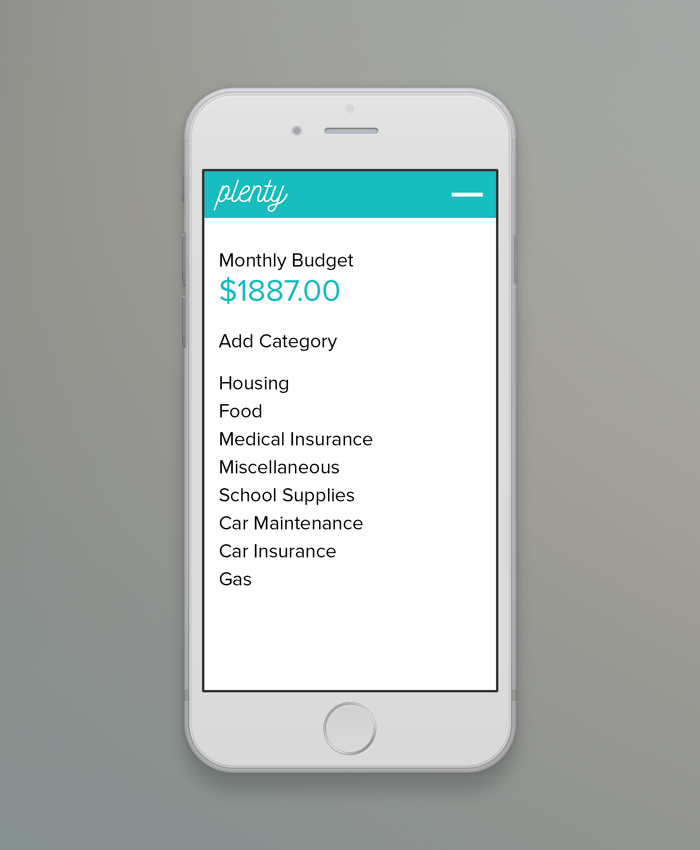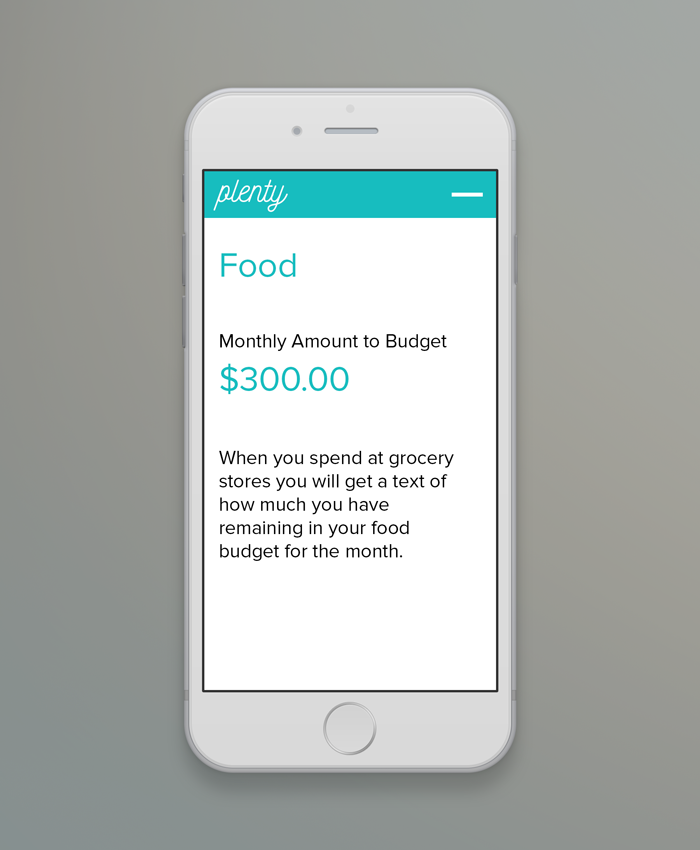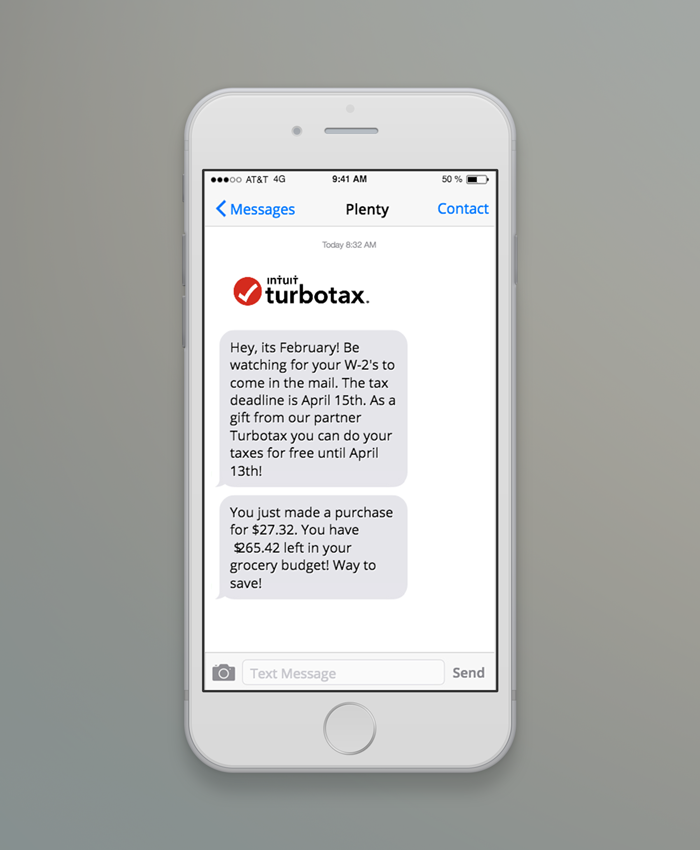
This was a group project built on research about budgeting in the lives of 20-somethings. It included user research, demographic interviews, and exploring a product we could come up with that would revolutionize their habits or meet a need found in the course of the research. It's called Plenty because at the end of the project we realize that our demographic is in need of Plenty of resources to help them navigate things like budgeting and adulthood.

INITIAL HYPOTHESIS
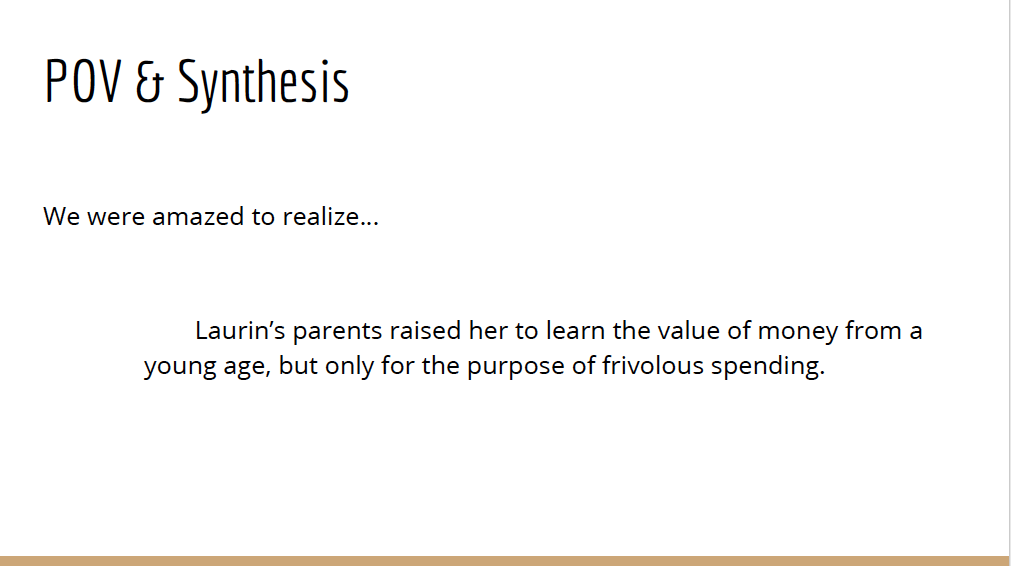
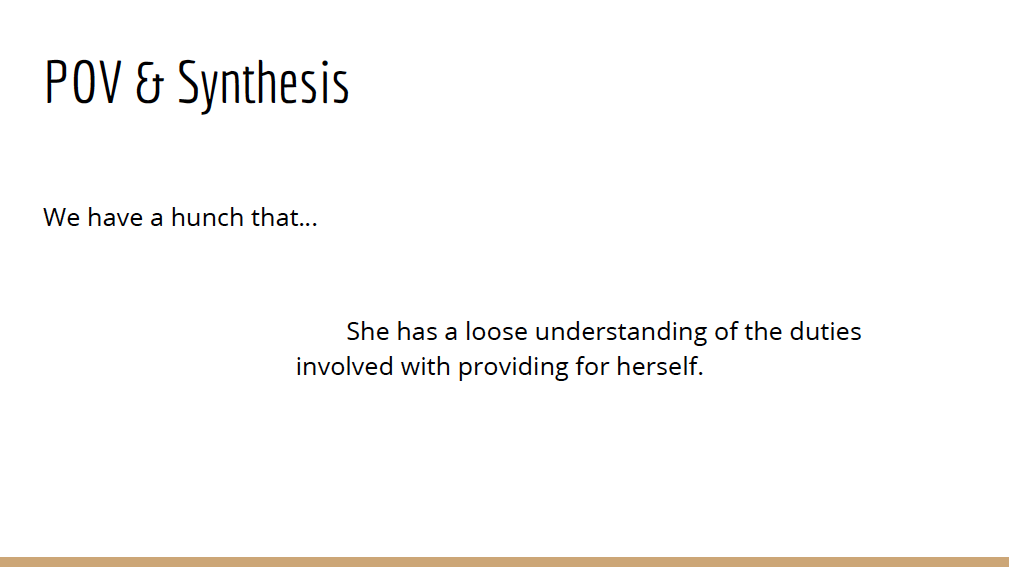
We began with the assumption that financial literacy gaps originated primarily from how parents transmitted financial values and habits to their children. Improving that transmission seemed like the most effective way to support better financial outcomes.
RESEARCH APPROACH
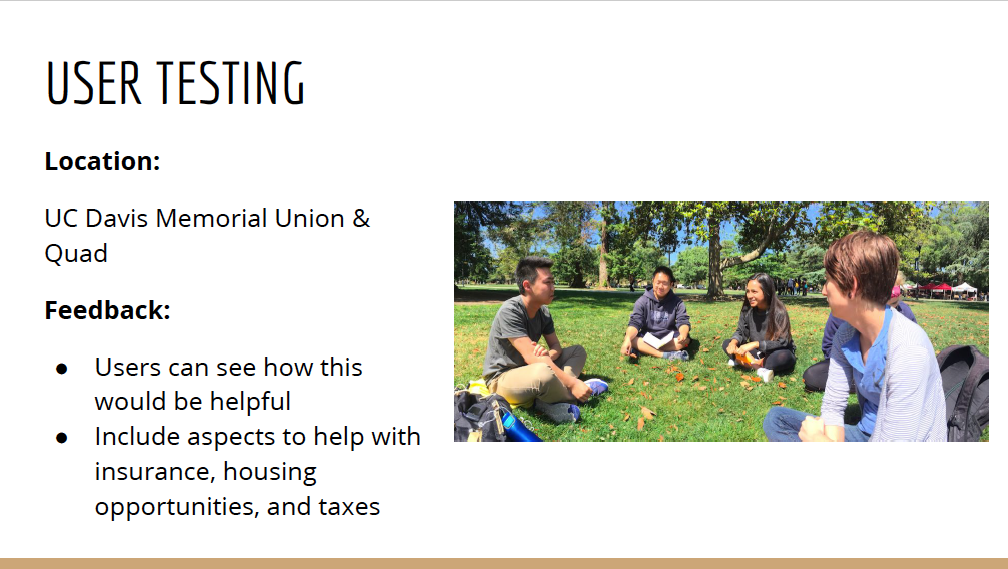
We conducted short, in-context cold intercept interviews with sophomore college students, focusing on money sources, budgeting behaviors, spending patterns, and emotional confidence around finances.
The Pivot: What Changed Our Thinking
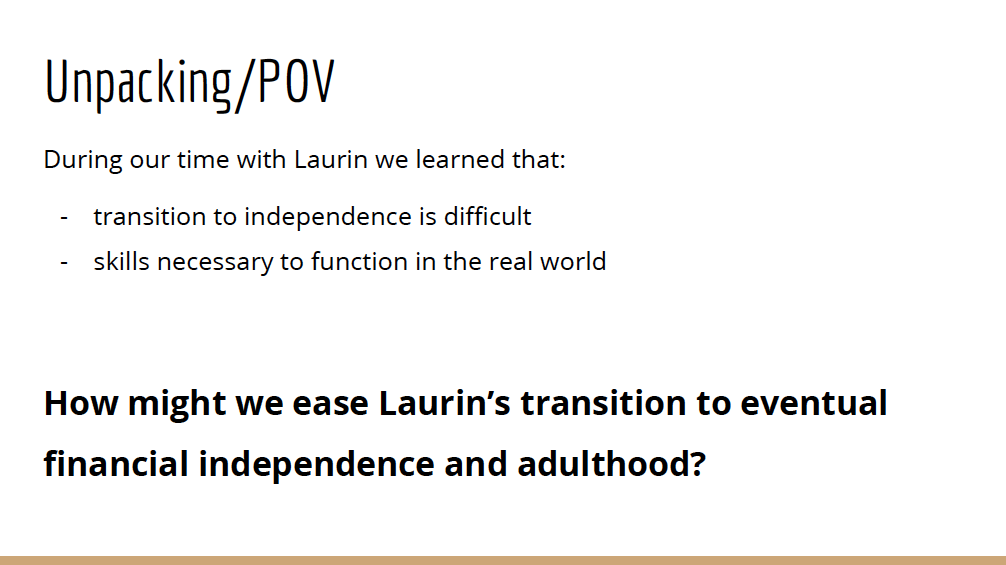
Early conversations quickly challenged our assumption. By sophomore year, most students were already managing their own money—often for the first time—without consistent parental oversight. However, they were doing so with limited tools, low confidence, and little visibility into their own behavior. Rather than needing instruction from parents, students needed support navigating the transition to independence. Refined research objective: To understand sophomores’ lived financial experiences in order to design tools that support their transition to confident financial decision-making.
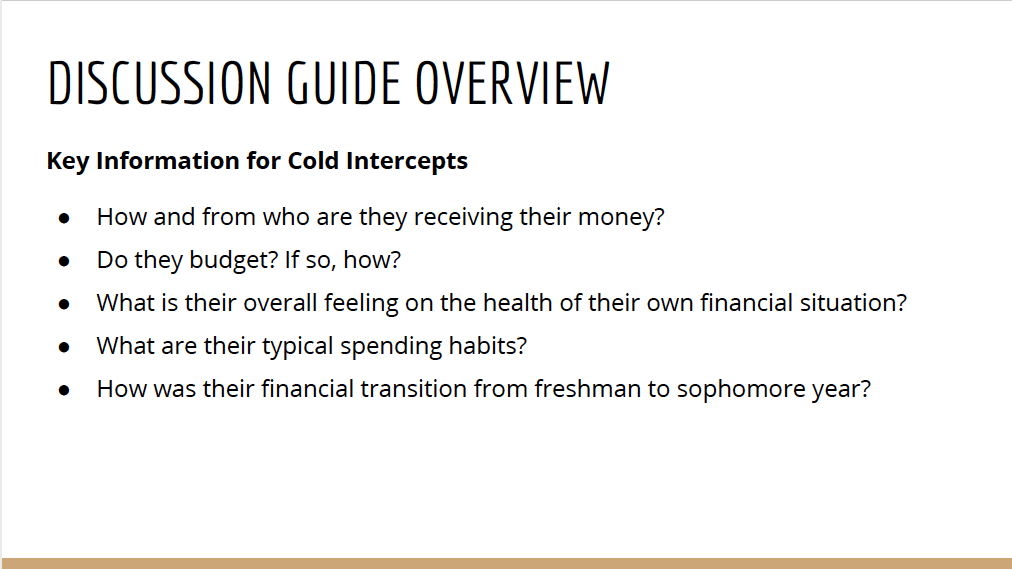
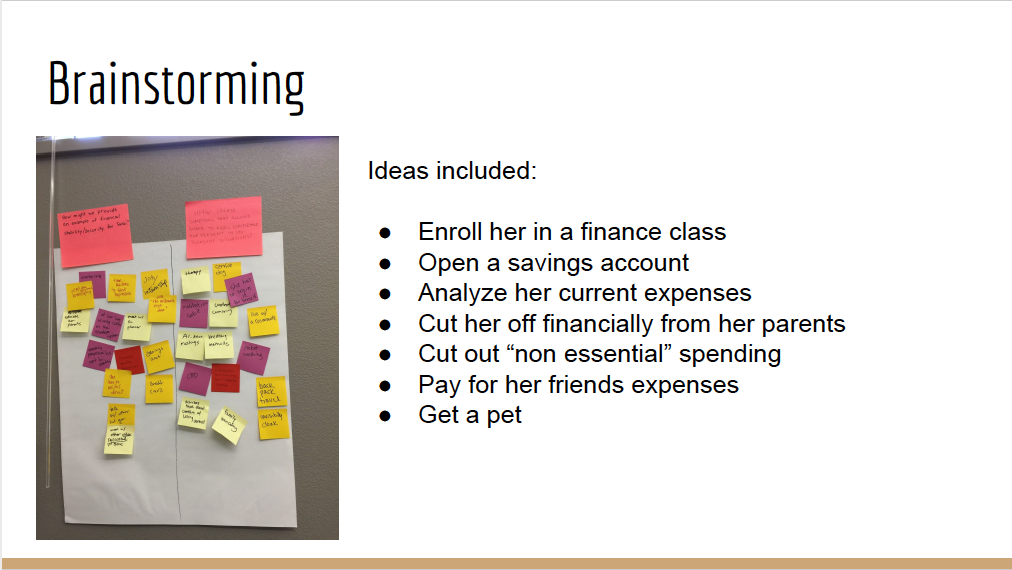
After a series of interviews with at least thirteen 20-somethings, we chose a few to analyze. These were the results....
Key Insights
Financial independence begins earlier than expected, but without structure
Budgeting is largely mental and reactive rather than formal
Financial stress is emotional and often invisible to others
Parents still influence behavior, but indirectly
Design Principles
Make spending visible without shame or punishment
Reduce cognitive load rather than add tracking overhead
Support learning through reflection, not restriction
Encourage confidence before optimization
Product Concept
The resulting app focused on helping students see and understand their financial behavior rather than control it. Core concepts included automated expense categorization, lightweight budgeting cues, and reflective insights designed to build awareness over time. While developed years before tools like Rocket Money, the concept anticipated a shift toward behavior-driven financial products that emphasize clarity and agency over rigid rules.
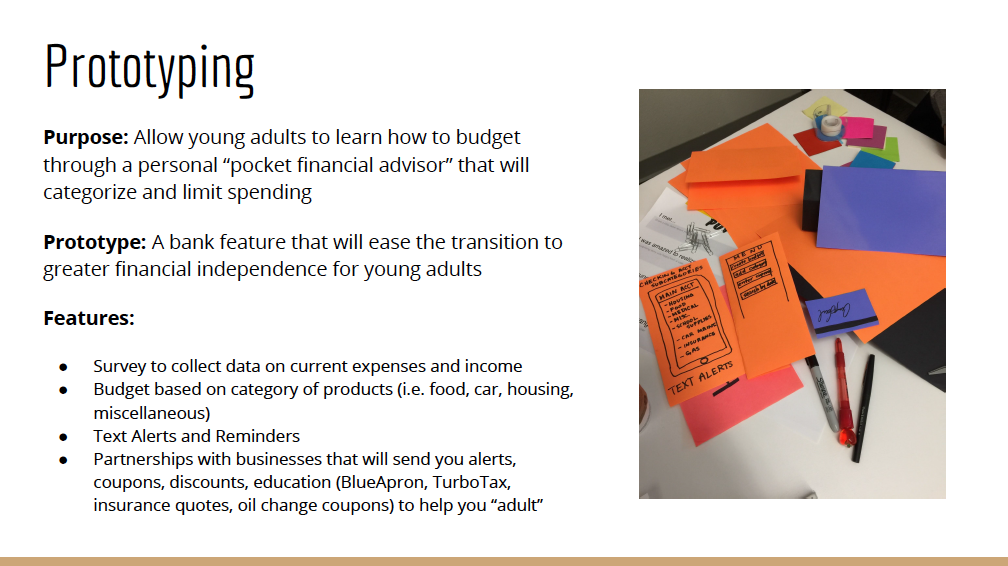
To finish off this project, we created a few mockups of our rough prototypes to explore how the app would not only integrate as a feature of different banking's online systems, but also about how it would function with the user in a real life application. We realized that our target audience was struggling with budgeting and lifeskills that aren't covered in school, and we thought that the app would be able to partner with other business providers like Turbotax and Greenchef, to offer services for free or for a discounted rate, to encourage things like successful completion of taxes, or cooking at home instead of eating out.